
News Details
Electric Commercial Vehicle Market to Hit $265.69 Billion by 2033
Summary
The electric truck revolution is coming. $265 billion market by 2033, 24% annual growth. But will high costs and tariffs slow it down? Read more.
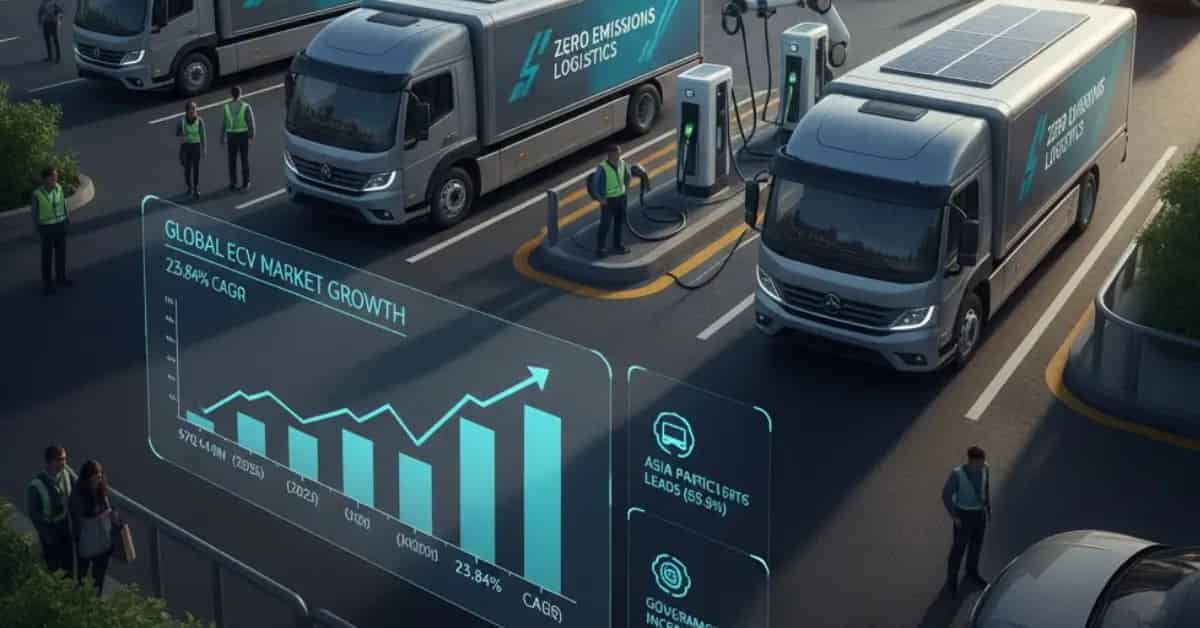


The global electric commercial vehicle market is set for massive growth. It is projected to reach $265.69 billion by 2033. The market was valued at $70.14 billion in 2023. This represents a compound annual growth rate of 23.84% from 2023 to 2033.
Electric Trucks, Buses, and Vans Drive Market Growth
The market includes pickup trucks, trucks, buses, and vans powered by electric motors. These vehicles use rechargeable battery packs instead of internal combustion engines. They offer superior fuel efficiency and lower carbon emissions.
Technological Advancements Boost Performance
Continuous advancements in battery technology are enhancing vehicle range and reliability. Higher energy-density lithium-ion batteries and emerging solid-state batteries are extending driving range. Improved battery management systems are increasing battery longevity and safety.
High Initial Costs Remain a Key Challenge
Electric commercial vehicles still have higher upfront costs than conventional vehicles. The initial investment for purchasing electric trucks and installing charging infrastructure can be prohibitive. This is especially challenging for small and medium-sized businesses.
Government Incentives and Subsidies Support Adoption
Many governments are providing significant incentives and subsidies to promote ECV adoption. These include tax breaks, subsidies, and infrastructure development. Such measures make electric commercial vehicles more affordable and accessible.
Battery-as-a-Service Models Offer Cost Solutions
Battery-as-a-service models could help decouple battery cost from the vehicle. This makes the initial purchase more affordable. Businesses can pay for battery usage over time instead of upfront.
US Tariffs Impact Global Supply Chains
The US has implemented 25% tariffs on imported vehicles and certain automotive parts. This includes engines, transmissions, and electrical components. Tariffs on imported lithium-ion batteries increase production costs. This could slow adoption in the US market.
Tariffs May Drive Domestic Manufacturing
These tariffs may incentivize domestic battery production and assembly in the US. Companies are exploring local partnerships and regional manufacturing to reduce tariff exposure. This could foster a local supply chain and create jobs.
Asia Pacific Leads Global Market
Asia Pacific dominates the global electric commercial vehicle market. The region held 55.8% market share in 2022. China is the largest market due to government efforts to reduce air pollution and carbon emissions.
Rising Demand from Logistics and Fleet Operations
High demand from logistical activities and fleet operations presents continuous growth opportunities. As battery technology advances, range improves, charging times reduce, and costs lower. The appeal of electric commercial vehicles will only increase.
Also Read : Indian CV Market Share January 2026: Record 1.7 Lakh Units Sold