News Details
Green Drive Mobility and Tata Motors Aim for 1,000 EV Cargos by 2028
Summary
Tata Ace EV powers Green Drive’s expansion to 1,000 vehicles. Is EVaaS the future of logistics in India?


Four times the current fleet. Three years to get there. Here's what that bet looks like on the ground.
Green Drive Mobility already runs over 250 electric four-wheelers on logistics routes across India. Now it wants to take that to 1,000 by 2028. And Tata Motors is the backbone of that plan.
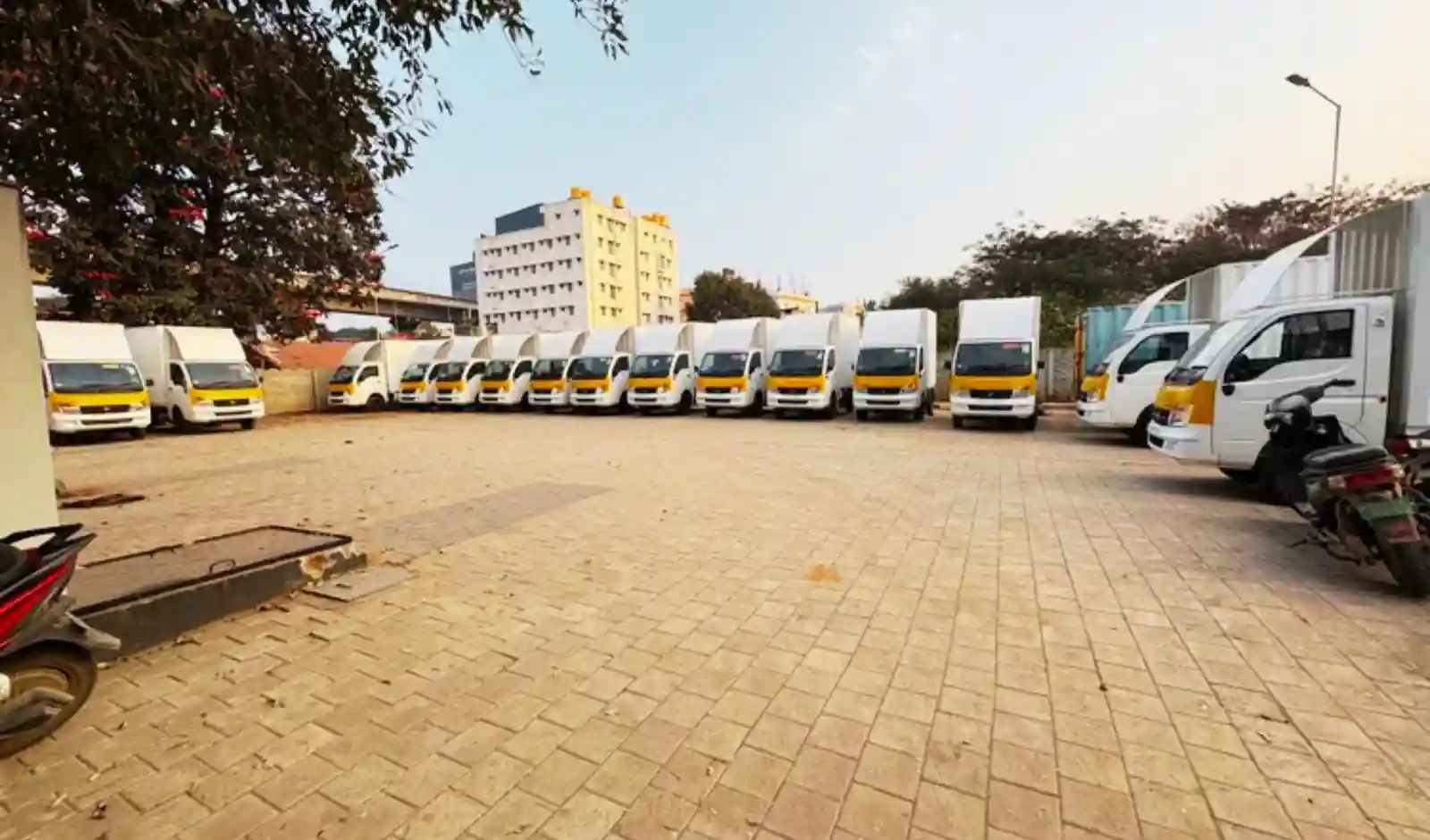
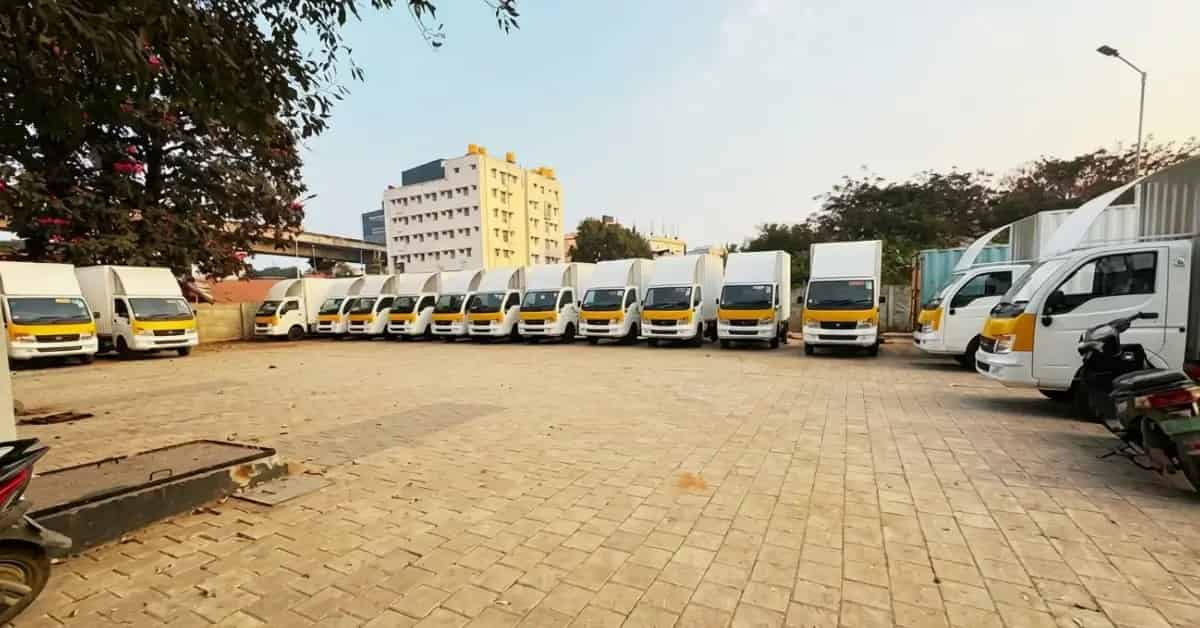
The two companies expanded their existing collaboration this week, with Green Drive deploying a fresh batch of Tata Ace EVs in Bengaluru and Hyderabad for a multinational furnishings brand. First-mile, mid-mile, last-mile. Green Drive handles all three for enterprise clients across FMCG, e-commerce, dairy, courier, bakery, and catering.
The 1,000-Unit Target Has a Catch
It's not a hard commitment. Green Drive pegs the 1,000-vehicle number to market demand, customer requirements, and product availability. So read it as an intent, not an order book.
Still, the direction is clear. The company started with 100-odd Ace EVs in late 2024. It crossed 250 within months. Hari Krishna, Founder and CEO, has said the Tata partnership sits at the core of scaling a reliable electric logistics platform. The kind of language you use when the numbers are actually working.
The Tata Ace EV itself helps make the case. Available in 600kg and 1,000kg payload variants, it has recorded close to 99% uptime across operational fleets and crossed 50 million cumulative kilometres. For logistics operators, uptime is the metric that keeps clients.
Green Drive Isn't Just Running a Fleet
Green Drive does not simply operate trucks. It runs an Electric Vehicle-as-a-Service (EVaaS) model. Fleet deployment, charging setup, tech enablement, and workforce support are all bundled together.
Their enterprise clients are essentially buying a delivery capability, not a vehicle. That's a different business than trucking. And it matters because it makes EV adoption far less painful for companies that lack the bandwidth to manage an electric fleet themselves.
Green Drive also runs two-wheelers, three-wheelers, EV cabs, and electric buses, which gives it coverage across delivery use cases that a single-vehicle operator simply cannot offer.
Tata Motors' Bigger Play Here
This deal does not sit in isolation. Tata Motors has quietly built a pattern of partnering with EV fleet operators to push commercial EVs into active logistics. MoEVing recently deployed 700 Ace EVs and Ace Pro EVs across 10 cities. Magenta Mobility runs Ace EVs in Bengaluru, Hyderabad, and Mumbai.
What Tata brings is not just the vehicle. It's 200-plus dedicated EV service centres across India. For a fleet operator running daily deliveries, the ability to get a vehicle back on road fast is worth more than the vehicle itself.
Tata's Business Head for SCV/EV put it plainly: partnerships with operators like Green Drive push the EV ecosystem into logistics applications at a scale that individual pilots cannot.
What This Means if You Run a Fleet
If your operation still depends on diesel for last-mile deliveries in urban corridors, the math is starting to tilt. The Ace EV's total cost of ownership versus a diesel alternative has been validated across real fleets, not in lab conditions. The service network is built out. And an EVaaS model like Green Drive's means you can pilot EV logistics without the upfront infrastructure cost.
India's electric cargo market is moving from experiments to scale deals. Green Drive and Tata Motors are one of the clearer signals of that shift.