
News Details
India's MHCV Market Is Heading to 6–8% Volume Growth Through FY28
Summary
India’s MHCV sector is gearing up for a strong upcycle. Ageing fleets and BS7 norms could spark the next big truck buying wave.


Nearly 2 Million Trucks on Indian Roads Are Overdue for Replacement
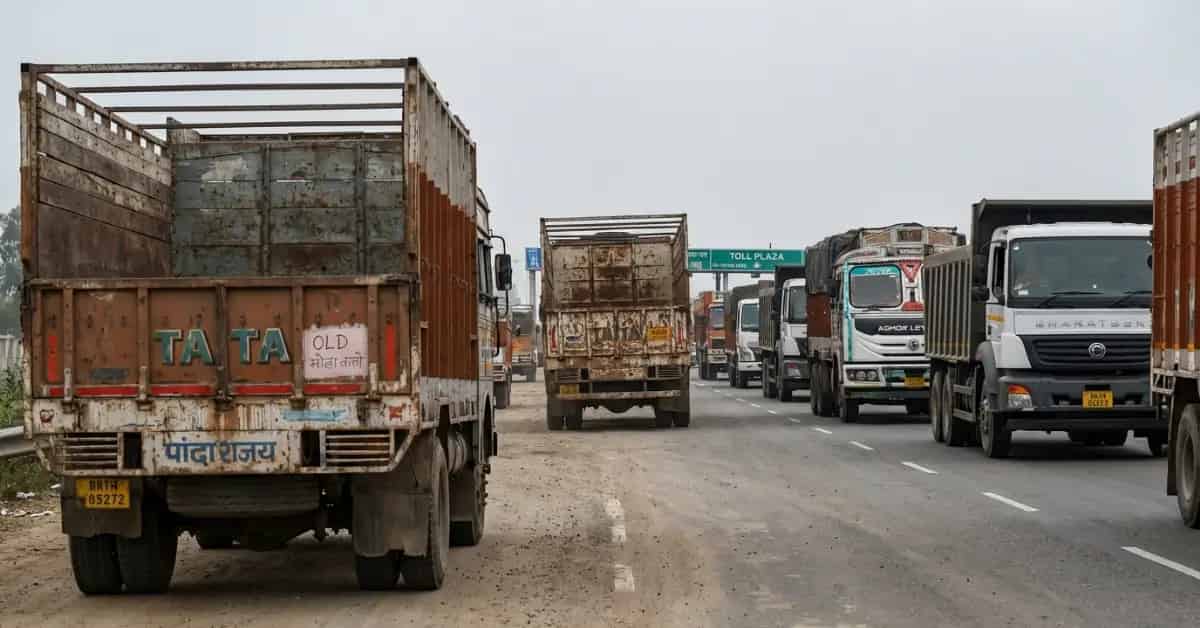
Four in ten MHCV (Medium & Heavy Commercial Vehicle) trucks running on Indian highways today are between 8.5 and 10 years old. That is not normal wear. That is a replacement queue of nearly 2 million vehicles backed up from years of deferred decisions. And those decisions are about to get made.
India's medium and heavy commercial vehicle sector is set for a compound annual volume growth of 6–8% through FY27–28, before total industry volumes settle near a new baseline around FY31–32.
The immediate trigger for that pent-up demand is easy to spot. GST 2.0 price changes shook operator confidence enough that many chose to run their old trucks a little longer rather than commit to a replacement. That window is closing fast.
Fleet Utilisation Has Already Jumped to 70-75%
One number buried in the report tells you more than the growth forecast itself: fleet utilisation has moved to 70–75%, from around 53–55% just a few years back. That kind of jump means operators are sweating their vehicles harder. Harder usage on older trucks is a recipe for breakdowns, higher maintenance spend, and missed freight contracts.
At some point, keeping the old gaadi running costs more than buying a new one.
Blocked Infrastructure Money Getting Into the Market
A significant chunk of government infrastructure spending has been stuck in project delays over the past several months. That capital is now being freed up. For tipper operators and construction haulage fleets, this is the most direct demand signal they will see all year.
The HCV segment, tippers especially, already runs the highest margins in the CV portfolio. Another 1–1.5% margin improvement coming through cost rationalisation, localisation of parts, and newer lighter-weight platforms.
Reports also highlights lean dealer inventory heading into FY27 and a weak sales base from H1 FY26, which will make year-on-year comparisons look very strong in the coming quarters.
BS7 Norms To Make Trucks More Expensive
If replacement demand and infrastructure spending were not enough, BS7 emission norms expected around 2028 will add another 10–12% to vehicle costs. On top of that, incoming safety and braking regulations due in FY27–28 alone could add Rs 70,000–80,000 per truck.
Every major emission norm transition in India has triggered a pre-buying surge. BS4 to BS6 did it. Operators who remember that period are already calculating whether it makes sense to buy ahead of the cost hike.
Can Rising Diesel Prices Derail This Upcycle?
Probably not. The sector's effective resilience threshold sits at diesel prices up to Rs 120–125 per litre. Most freight contracts already allow fuel cost pass-through, so direct margin damage is limited.
What fuel prices can do, though, is change how fleet owners feel about near-term business. When diesel spikes, some operators wait a quarter before finalising a truck order. But treats it as a sentiment delay rather than a structural problem.
Which OEMs Have the Most to Gain From the Upcycle
Ashok Leyland is expected to grow MHCV volumes around 10% through FY27–28, a run that could push EBITDA margins toward 13.5%. Tata Motors presents a sharper earnings story. MHCVs are only 35% of CV volumes but account for close to 70% of CV revenues. Any sustained recovery in tippers and haulage trucks hits their profitability hard and fast.