Battery Rickshaw in India
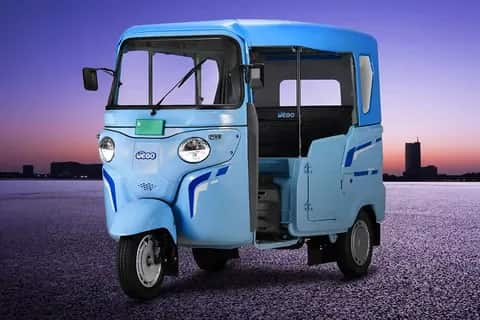
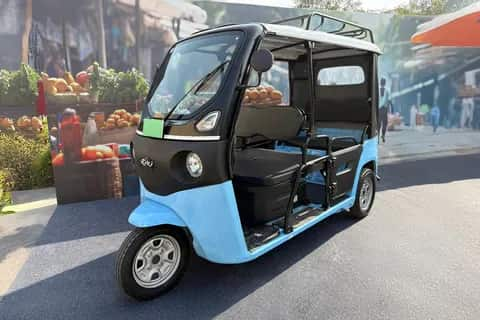
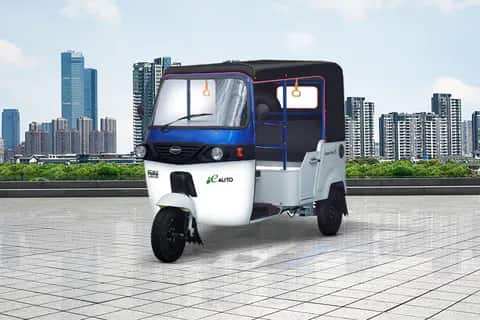
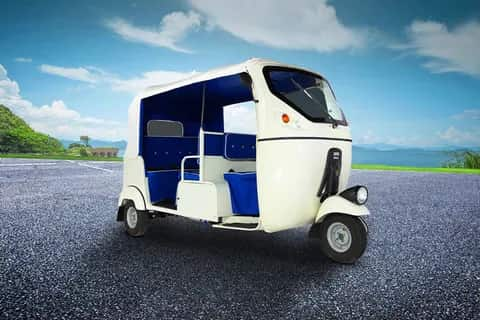
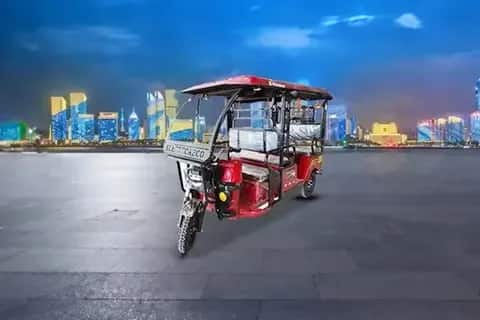
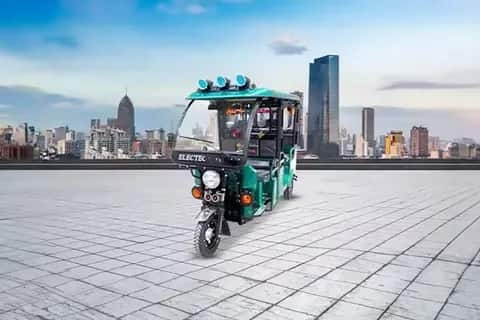
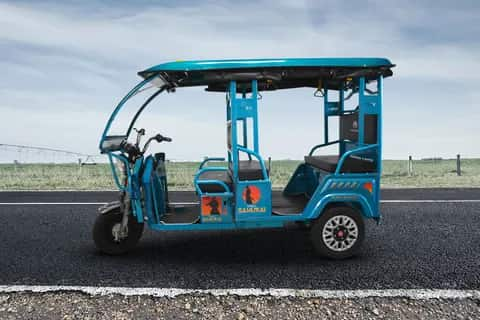
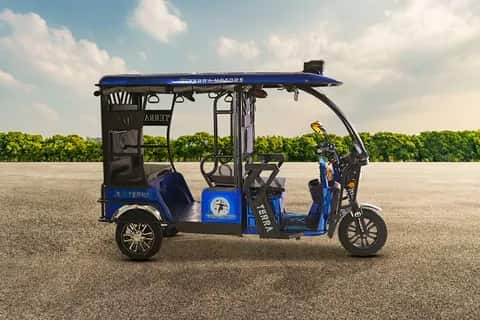
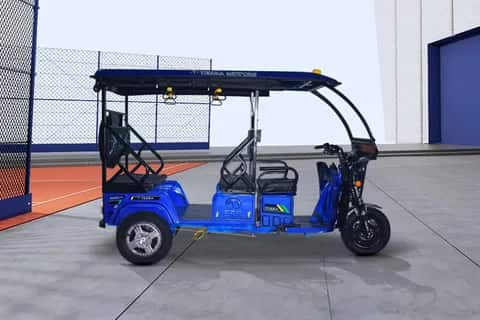
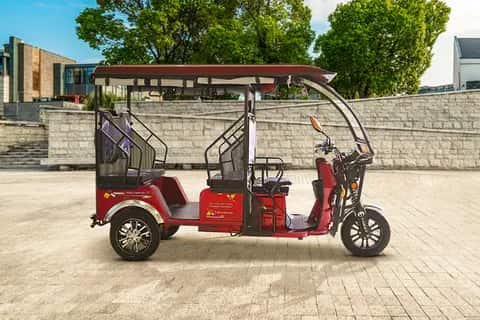
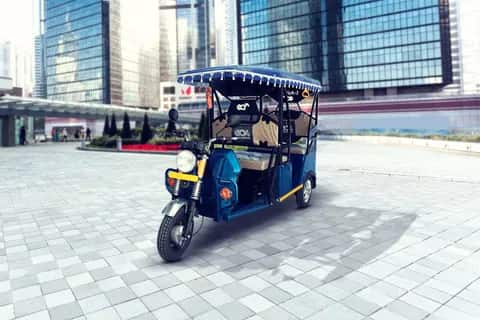
A battery rickshaw is an electric three-wheeler powered by a rechargeable battery and an electric motor. Also known as an e-rickshaw or electric rickshaw, it is widely used for passenger transportation and last-mile connectivity across Indian cities and towns.
Battery rickshaws are available in different configurations, with variations in motor power, battery capacity, seating arrangement, driving range and features. These vehicles provide an alternative to conventional fuel-powered three-wheelers, particularly for short-distance commercial transportation.
In India, buyers can find different battery rickshaw models from manufacturers offering different price ranges and specifications. The right model depends on daily running requirements, passenger capacity, charging facilities and budget.
On TruckOnWheels, you can explore 244 E-Rickshaw listings and compare available models, prices, battery specifications, driving range and other important features before making a purchase decision.
Battery Rickshaw Price in India
The battery rickshaw price in India depends on the manufacturer, battery technology, motor power, vehicle configuration and available features. Different models are designed for different commercial requirements, which can affect their overall pricing.
When comparing battery rickshaw prices, buyers should consider more than the initial purchase cost. Battery capacity, charging time, driving range, warranty coverage and maintenance requirements can also influence the long-term ownership experience.
Some important factors that affect the price of a battery rickshaw include:
-
Battery technology: Battery type and capacity can influence the vehicle's purchase price and operating characteristics.
-
Motor power: Different motor configurations are designed to meet different performance requirements.
-
Vehicle configuration: Seating capacity, body design and available features can affect the price.
-
Manufacturer: Brand positioning, vehicle quality and after-sales support may influence the final cost.
-
Warranty: Battery and vehicle warranty coverage should be considered before purchasing.
Explore available e-rickshaw models on TruckOnWheels to compare their listed ex-showroom prices and specifications. For the final purchase cost, confirm applicable registration, insurance and other charges with the dealer.
E-Rickshaw Price in India
The e-rickshaw price in India varies depending on the selected model, manufacturer, battery configuration and features. Buyers can find different electric three-wheeler options according to their budget and transportation requirements.
Before selecting a model, compare its ex-showroom price with the specifications offered. A lower-priced vehicle may have a different battery configuration, driving range or feature package compared with a higher-priced alternative.
TruckOnWheels allows buyers to explore available e-rickshaw models and check their listed prices in one place. You can also visit individual model pages to understand their specifications, available variants, driving range and other features.
Electric Rickshaw Price and On-Road Price
The electric rickshaw price displayed by manufacturers or dealers may differ from the final on-road cost. The ex-showroom price generally covers the vehicle's base selling price, while the on-road price can include applicable registration charges, insurance, taxes and other location-specific costs.
The e-rickshaw on-road price may also vary between vehicle variants and cities. Therefore, buyers should obtain a detailed quotation from an authorised dealer before finalising their purchase.
Before comparing electric rickshaw prices, check:
-
Ex-showroom price of the selected model.
-
Applicable registration and insurance charges.
-
Available vehicle variants.
-
Battery and vehicle warranty.
-
Additional dealer charges, if applicable.
-
Any eligible government incentives or subsidies, subject to current rules.
Comparing the final on-road quotation instead of only the base price can help you understand the actual purchase cost.
Electric Auto Rickshaw in India
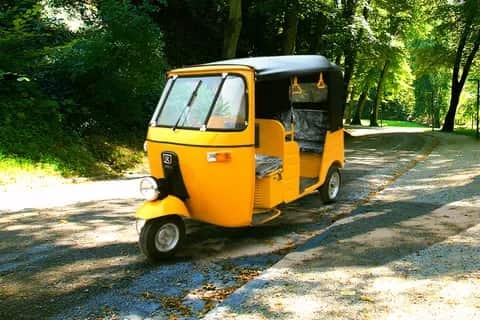
Electric auto rickshaws are three-wheelers powered by electric motors and rechargeable batteries. They are used for passenger transportation and short-distance mobility, particularly in urban and semi-urban areas.
The electric auto rickshaw price depends on the vehicle's design, seating capacity, motor power, battery specifications and manufacturer. Some electric three-wheelers have a conventional auto-style design, while others use a compact e-rickshaw configuration.
When comparing electric auto rickshaw models, buyers should check the vehicle category, passenger capacity, claimed driving range, charging time and available safety features.
TruckOnWheels also lists passenger electric auto models such as the Gayam Motor Works Passenger E-Auto, which buyers can explore for individual prices and specifications.
E-Rickshaw Mileage and Driving Range
E-rickshaw mileage is generally measured as the distance a vehicle can travel on a full battery charge. Unlike petrol and diesel vehicles, electric rickshaws do not use conventional mileage measurements such as kilometres per litre.
The driving range of an electric rickshaw depends on its battery capacity, motor efficiency, passenger load, road conditions and driving habits.
Some important factors affecting e-rickshaw range include:
-
Battery capacity: The battery's energy storage capacity influences how much energy is available for driving.
-
Passenger load: Carrying more passengers can increase energy consumption.
-
Road conditions: Uneven roads, gradients and frequent stops can affect driving range.
-
Driving style: Frequent acceleration and high-speed operation can increase energy consumption.
-
Battery condition: Battery age, health and maintenance can influence overall performance.
Buyers should compare the manufacturer's claimed range with their expected daily travel distance. Actual driving range may differ depending on operating conditions.
Battery Capacity and Charging Time of E-Rickshaws
Battery capacity and charging time are important factors when selecting a battery-operated rickshaw. Different models use different battery technologies and configurations depending on their design and performance requirements.
Lead-acid and lithium-ion batteries are among the battery technologies used in electric three-wheelers. Their charging requirements, maintenance needs, weight, lifespan and purchase costs can differ.
Before buying an e-rickshaw, check the following:
-
Battery type and capacity.
-
Manufacturer-specified charging time.
-
Battery warranty.
-
Expected battery replacement requirements.
-
Charging equipment and electricity requirements.
-
Availability of battery service and replacement support.
A suitable battery configuration can help operators manage daily running requirements and charging schedules more effectively.
How to Choose the Right Battery Rickshaw?
Choosing the right battery rickshaw requires comparing its purchase price, specifications and suitability for daily operations. A model that works well for one operator may not necessarily meet another buyer's requirements.
Here are some important points to consider:
1. Compare the purchase price
Check the ex-showroom price and obtain the final on-road quotation. Also compare the features and specifications offered at different price points.
2. Check battery capacity
Understand the battery technology, capacity and warranty before selecting a vehicle. These details can help you assess its suitability for regular commercial operations.
3. Evaluate driving range
Compare the claimed range with your expected daily travel distance. Consider passenger load, traffic and road conditions when evaluating the manufacturer's range figures.
4. Review motor specifications
Check the motor type and power to understand the vehicle's performance characteristics and suitability for your routes.
5. Consider passenger capacity
Choose a vehicle with an appropriate seating arrangement and ensure that its approved passenger capacity meets your requirements.
6. Check warranty and service support
Review the battery and vehicle warranty, availability of spare parts and service support in your operating area.
Comparing these factors can help you select a battery rickshaw that suits your budget and transportation requirements.
Why Compare E-Rickshaw Models on TruckOnWheels?
Finding a suitable battery rickshaw requires comparing several models, manufacturers and specifications. TruckOnWheels helps buyers explore available electric three-wheeler options and understand their important features before purchasing.
You can use TruckOnWheels to:
-
Explore 244 available E-Rickshaw listings.
-
Compare available model prices.
-
Check battery capacity and driving range.
-
Review motor power and vehicle specifications.
-
Compare seating capacity and available features.
-
Visit individual model pages for detailed information.
For example, buyers can explore the Bajaj Riki P40 05 E-Rickshaw, Electeca Eco and Terra Motors Rizin to check their individual prices and specifications.
Whether you are looking for a battery rickshaw for passenger transportation or comparing electric three-wheeler models for commercial use, reviewing available specifications can help you make a more informed decision.