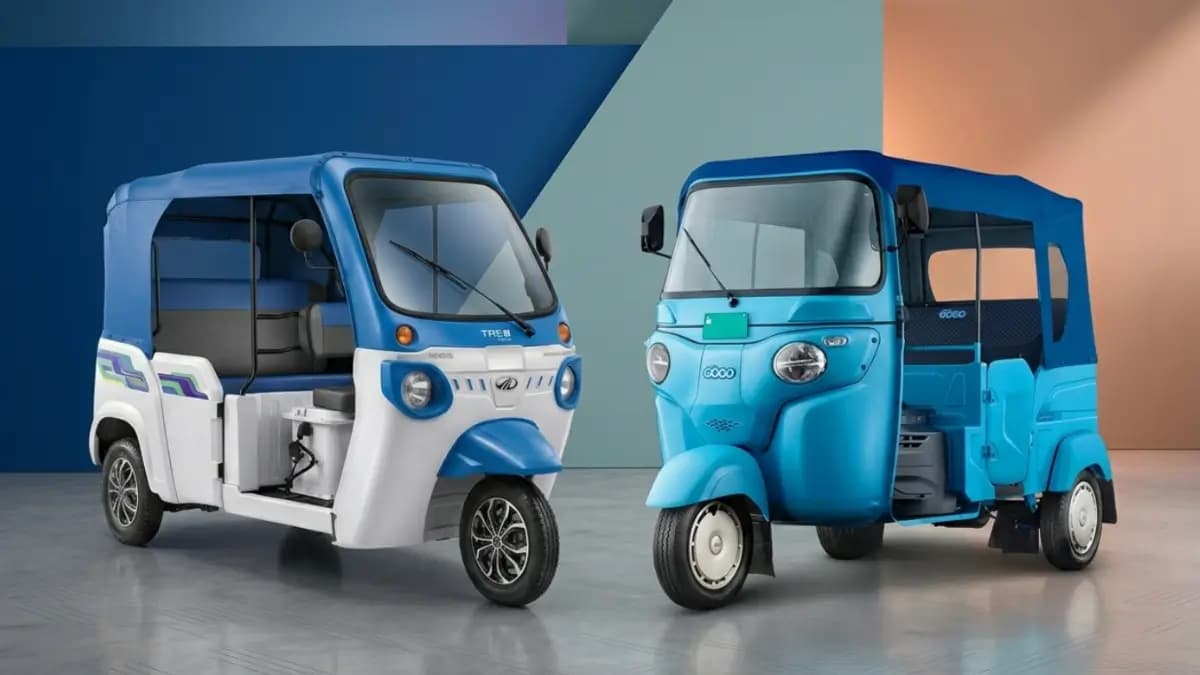

Piaggio and SBI Signed an MoU to Offer Intrest Free Auto Loans in UP
Piaggio and SBI will finance three-wheelers in UP at 0% interest under CM Yuva Yojana. Here's the real math, who qualifies, and how to apply first.
Hydrogen Commercial Vehicles Listings
Filters
Trucks
Showing 3 of 3
News
Expert Review
Hydrogen commercial vehicles represent an emerging technology in the transition towards cleaner and more sustainable transportation. Hydrogen can be used in commercial vehicles through technologies such as hydrogen fuel cells, which generate electricity to power an electric motor, as well as hydrogen internal-combustion engine applications.
Hydrogen-powered vehicles are particularly relevant to the commercial vehicle industry because they have the potential to support applications where long operating distances, higher payloads and relatively quick refuelling are important considerations. Hydrogen fuel-cell vehicles produce electricity onboard through an electrochemical process, with water and heat as the primary by-products at the vehicle level.
The hydrogen commercial vehicle segment is still developing, with manufacturers and technology companies exploring solutions for trucks, buses and other heavy-duty transportation applications. Adoption depends on factors such as vehicle availability, hydrogen production, refuelling infrastructure, storage technology, operating costs and regulatory development.
Hydrogen vehicles can be particularly interesting for long-distance and heavy-duty transportation, where battery-electric vehicles may face challenges related to charging time, vehicle weight or route requirements. However, the suitability of hydrogen depends heavily on the availability of hydrogen refuelling infrastructure along the intended operating routes.
When evaluating a hydrogen commercial vehicle, businesses should consider hydrogen storage capacity, driving range, refuelling time, payload, power output, vehicle weight, operating conditions, fuel availability and total ownership costs. The source and production method of hydrogen are also important when evaluating its overall environmental impact.
On TruckOnWheels, you can explore information about hydrogen-powered commercial vehicles and compare their technology, range, specifications, payload capacity, power output, features and other important details. As hydrogen mobility continues to develop, keeping track of new models and technologies can help businesses understand future opportunities in commercial transportation.
FAQ
A hydrogen commercial vehicle is a vehicle that uses hydrogen as an energy source for propulsion. It may use a hydrogen fuel cell to generate electricity for an electric motor or, in some applications, a hydrogen-powered internal-combustion engine.
Hydrogen technology is being developed for several commercial applications, particularly heavy-duty trucks and buses. Availability varies by market and manufacturer.
A fuel-cell truck uses hydrogen stored onboard. The fuel cell combines hydrogen with oxygen to generate electricity, which powers the vehicle's electric motor. Water and heat are produced as the main vehicle-level by-products.
Refuelling time depends on the vehicle, hydrogen storage system and dispensing infrastructure. Heavy-duty hydrogen vehicles are being developed with refuelling requirements suited to commercial operations.
Key challenges include hydrogen refuelling infrastructure, hydrogen production and availability, storage requirements, vehicle costs and the development of supporting infrastructure.
Consider range, hydrogen storage capacity, refuelling time, payload, power output, hydrogen availability, operating route, vehicle cost and service support. It is also important to evaluate whether suitable hydrogen refuelling infrastructure is available for your planned operations.