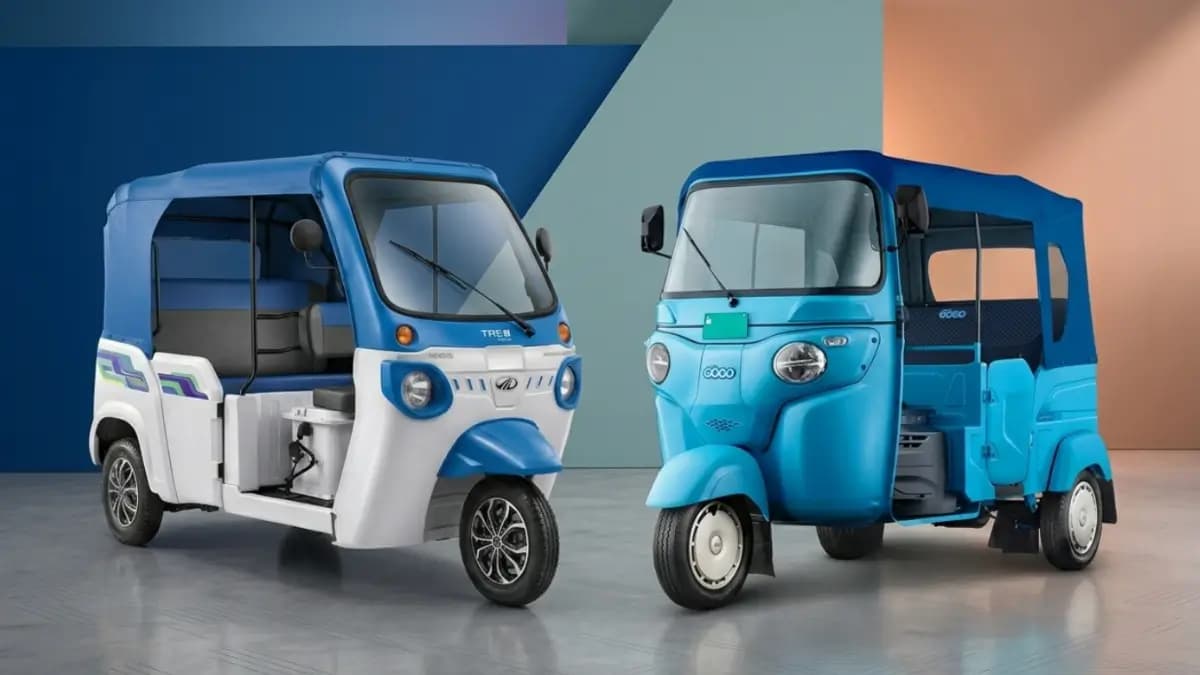

Piaggio and SBI Signed an MoU to Offer Intrest Free Auto Loans in UP
Piaggio and SBI will finance three-wheelers in UP at 0% interest under CM Yuva Yojana. Here's the real math, who qualifies, and how to apply first.
Buying Guide
Check out the most trending trucks in India for 2026. This page features a dynamic list of top-selling and buzz-worthy models from leading commercial vehicle brands. Find out what's new and in demand, with detailed insights on specifications, pricing, and features all in one place.
Filters
Trucks
Showing 1 of 61
News
Expert Review
Trending trucks reflect what buyers, fleet operators, and transport businesses are actively comparing in the current market. These models often gain attention because of strong demand, useful specifications, new launches, fuel efficiency, or suitability for fast-growing business applications.
A trending truck can belong to any segment, including pickup, mini truck, trailer, transit mixer, tipper, electric vehicle, or medium-duty cargo truck. The reason for trending status depends on what the market is currently prioritizing, such as cost saving, payload, city usability, or route flexibility.
Trending mini trucks are usually linked to urban delivery, e-commerce, small retail, and last-mile transport. Buyers in this segment want easy driving, good mileage, compact dimensions, low service cost, and enough payload for daily business movement.
Trending trailers and high-capacity trucks are important for logistics businesses that handle bulk cargo, long routes, container movement, and heavy freight. These buyers focus on engine strength, axle configuration, cabin comfort, braking, and long-term durability.
Transit mixers and tippers trend when construction, road projects, concrete movement, and infrastructure demand rise. In these segments, buyers should check duty cycle, site conditions, body quality, hydraulic performance, and service support near operating locations.
The trending tag is useful for discovery, but it should not replace a proper comparison. Business owners should still compare price, GVW, payload, fuel type, mileage, wheelbase, warranty, and dealer support before choosing a model.
Trending electric trucks also deserve separate evaluation because route planning and charging readiness are critical. An electric model may be highly attractive for city work but less practical for uncertain long-distance routes without charging access.
Overall, trending trucks are helpful for understanding what is gaining market attention right now. The best use of this page is to shortlist active models, compare specifications carefully, and choose the truck that matches your load, route, budget, and earning plan.
FAQ
Trending trucks in India are commercial vehicles that are currently popular in the market due to high demand, strong sales performance, reliable mileage, and positive feedback from fleet owners and truck operators.
Top brands with trending trucks in India include Tata Motors, Ashok Leyland, Mahindra, BharatBenz, and Eicher. These manufacturers consistently launch trucks that offer durability, fuel efficiency, and low maintenance costs.
BS6 Phase 2 trucks are trending because they meet the latest emission norms, offer better engine performance, improved fuel efficiency, and reduced environmental impact, making them future-ready and compliant with government regulations.
Yes, electric trucks are slowly becoming trending in India, especially in urban logistics and last-mile delivery. Brands like Tata Motors and Ashok Leyland are introducing electric trucks focused on lower running costs and zero emissions.
Light commercial trucks and medium-duty trucks are among the most trending segments in India due to their versatility, better mileage, and suitability for city transport as well as intercity logistics.
To choose the best trending truck, consider factors such as payload capacity, mileage, total cost of ownership, service network, fuel type, and route requirements. Comparing specifications and real-world usage helps in making the right decision.