News Details
Tata Motors Becomes Global Truck Giant After Iveco Acquisition
Summary
The Iveco deal and the demerger together change the game for India's CV king — and if you run a fleet or buy trucks, you need to understand what's coming.
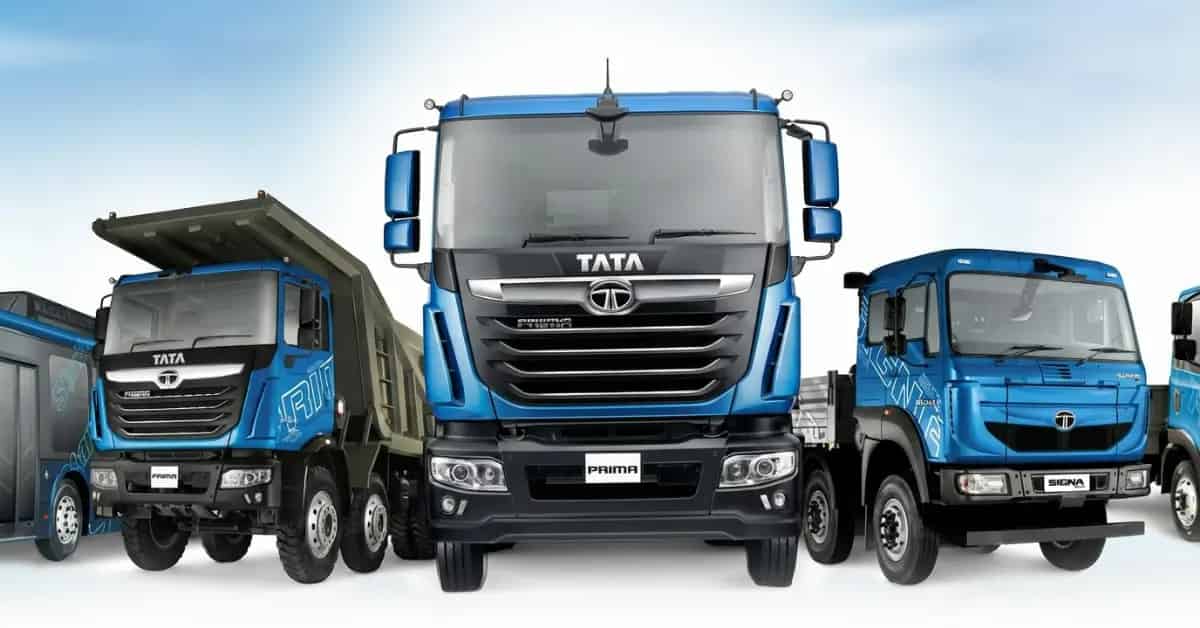


India's largest truck maker just stopped being an Indian truck maker.
With a €3.8 billion (₹4,116.6 crore) deal to acquire Iveco. One of Europe's biggest commercial vehicle brands and a completed demerger that officially split Tata Motors into two separate listed companies, Tata Motors Commercial Vehicles (TMCV) is now playing an entirely different game. The kind of game that Volvo, Daimler, and PACCAR play.
And that shift matters to every fleet owner, transporter, and truck buyer in India. Here's why.
Tata’s Demerger That Changed Everything
Let's start with what actually happened. Effective October 1, 2025, Tata Motors split itself into two independent, listed companies:
-
Tata Motors Commercial Vehicles Ltd (TMCV) : Trucks, buses, and everything that moves cargo and people commercially
-
Tata Motors Passenger Vehicles Ltd (TMPV) : Cars, EVs, and Jaguar Land Rover
This wasn't just a paper exercise. For the first time, the CV business stands on its own. With its own stock (listed in November 2025 at ₹335 on NSE, a 28% premium to its implied value), its own balance sheet, and its own strategic agenda. No more sharing capital allocation with the luxury ambitions of JLR or the EV experiments of the PV division.
The CV business came into this new life in strong shape too. Revenue grew from ₹70,816 crore in FY23 to ₹75,053 crore in FY25. EBITDA margins expanded from 7.4% to 11.7% over the same period. Net profit more than doubled. From ₹2,869 crore to ₹6,132 crore. In short: TMCV is profitable, focused, and now free to move fast.
The Iveco Deal: Why This Is Tata's Biggest Bet
Two days after the demerger logic became clear to the market, Tata Motors dropped the headline that no one saw coming at that scale: a €3.8 billion all-cash offer to acquire Iveco Group NV. The Belgian-Italian manufacturer that holds major truck and bus market share across Europe, Latin America, and beyond, excluding Iveco's defence business.
Let's put that number in context. This would be Tata Motors' largest acquisition ever, surpassing even the iconic JLR purchase of 2008. The deal is expected to close in Q2 2026, pending regulatory approvals.
Here's what the combined entity looks like:
|
Metric |
Combined TMCV + Iveco |
|
Annual Revenue |
~€22 billion (₹2+ lakh crore) |
|
Annual Units Sold |
540,000+ |
|
Revenue from Europe |
~50% |
|
Revenue from India |
~35% |
|
Revenue from Americas |
~15% |
Tata Group Chairman N. Chandrasekaran called it "a logical next step following the demerger," adding that it "will allow the combined group to compete on a truly global basis with two strategic home markets in India and Europe."
But Wait : What Does This Actually Mean for You?
If you're a fleet owner or a transporter planning your next vehicle purchase, here's the practical question: Does this change anything on the ground?
The honest answer: Not immediately. But significantly over the next 3–5 years.
Here's what you should watch:
1. Better Technology, Faster
Iveco is an early mover in natural gas, electric, and hydrogen trucks, areas where Tata has been playing catch-up in India. The joint technology roadmap, internally called 'Unlimited Pathways 2.0', is designed to bring these innovations to Indian markets through shared R&D and manufacturing. If you're planning a fleet that will still be running in 2030, this matters.
2. Export Opportunities for Indian-made Trucks
TMCV currently earns nearly 90% of its CV revenue from India. Iveco's network spans 160+ countries, including strong positions in Europe and Latin America. Markets where Tata has minimal presence. That footprint is now yours as a brand to buy from: a company with global credibility, global service infrastructure, and global engineering behind your truck.
3. Competitive Pressure Stays Real
TMCV holds a 35.5% market share in India's CV segment as of Q3 FY26. The demerger and Iveco deal haven't changed what you pay for a Prima or Ultra tomorrow. But a global Tata CV will be better capitalised, better engineered over time, and harder for competitors to dislodge. Which is ultimately a good thing for the buyer who wants a brand that doesn't go backward.
The Number That Changes Everything
The combined revenue of TMCV and Iveco is over €22 billion, or more than ₹2 lakh crore. This places this entity among the world's top 5 commercial vehicle manufacturers by revenue. This isn't a niche acquisition or an emerging-market play. This is Tata planting a flag at the global table where Mercedes-Benz Trucks and Volvo have been sitting for decades.
For context: TMCV's standalone revenue in FY25 was ₹75,053 crore. Iveco effectively triples the revenue base overnight.
What Comes Next
Tata Motors Commercial Vehicles is no longer just the company that makes trucks for Indian highways. It's now in the process of becoming a company that makes trucks for European motorways, Latin American logistics corridors, and African freight networks, while still making the trucks that your fleet runs on today.
That's a different company than the one you knew last year.