
News Details
Atul Auto and Exponent Energy to Build 15-Minute Charging Electric Auto Platform
Summary
A standard electric auto takes 4 to 5 hours to charge. Exponent Energy does it in 15 minutes. Atul Auto just committed 15,000 vehicles to this technology over three years.
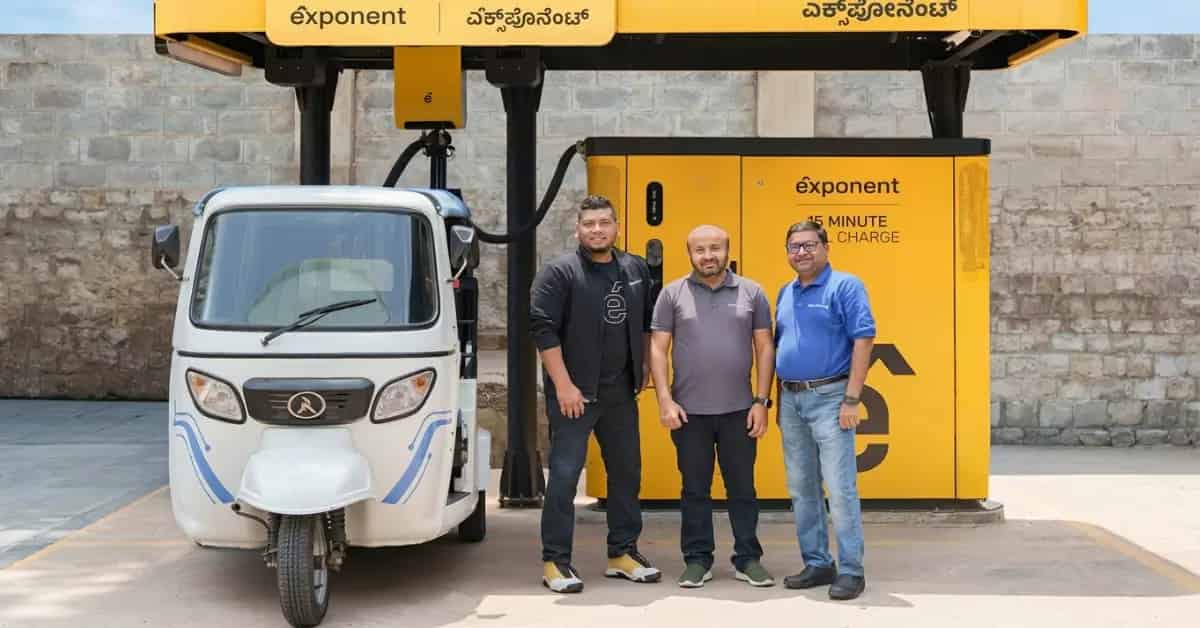


Ask any electric auto driver what keeps them off EV platforms and charging time comes up before anything else. Four to five hours off the road every day is not a break. That is lost income.
Atul Auto and Exponent Energy announced a partnership on April 24, 2026 in Bengaluru to jointly develop and deploy rapid charging electric three-wheelers. The MOU is valued at Rs 490.50 crore and commits to a minimum of 15,000 Exponent-powered passenger three-wheelers over three years.
Rs 490.50 Crore Atul-Exponent MOU Commitment
This is not a letter of intent. The Rs 490.50 crore figure covers the battery systems and powertrains that Atul Auto will procure from Exponent over the three-year period. Atul acts as the OEM, building and selling the vehicles. Exponent supplies the technology stack underneath.
The commitment of 15,000 units over three years makes it one of the largest single-partnership scale-ups of rapid-charging EVs in the three-wheeler passenger segment in India. For context, Atul Auto sold 7,903 EV units across its entire range in FY26. Fifteen thousand units from one technology partnership in three years is a significant volume target.
How Exponent Energy's 15-Minute OTO Platform Work
Exponent Energy's OTO platform is not a single component. It is a unified architecture covering the battery pack, powertrain, and vehicle software. The system is designed to deliver a full charge in 15 minutes, a claim Exponent backs with a 3,000-cycle warranty.
The 2 lakh km battery warranty is the number that matters most for an auto driver evaluating total cost of ownership. Battery replacement is the largest unplanned expense for electric three-wheeler operators. A warranted 2 lakh km removes that uncertainty from the financial planning for the life of the loan.
The platform is interoperable. Vehicles can charge on Exponent's own rapid charging network for the 15-minute fill, but they also work on standard public charging points and home charging. Drivers are not locked into one network. They get speed when Exponent stations are available and flexibility everywhere else.
Why Atul Auto Needed This Partnership
Atul Auto had a strong FY26 overall. Total sales reached 38,440 units, up 13 percent year-on-year. IC engine three-wheelers surged 20 percent, driven by export markets.
The EV segment told a different story. Atul Auto's EV sales fell 8.5 percent in FY26 to 7,903 units from 8,637 in FY25. While the company grew on ICE, it lost ground on electric. The Exponent partnership is a direct response to that gap.
The Exponent platform brings a genuinely differentiated product feature to Atul Auto's EV lineup. Most electric auto brands competing for the same driver base offer 4 to 5 hour charging times. A 15-minute charge changes the daily operational calculus for a driver running long shifts. That differentiation is what Atul Auto currently lacks in the electric segment.
Exponent One: The Financing and Buyback Platform Built Into This Deal
Exponent Energy recently launched Exponent One, an EV financing platform led by Sandeep Divakaran. It will directly support purchases of the Atul-Exponent vehicles.
The financing packages include embedded insurance and structured buyback options. For a driver buying an EV for the first time, both of those reduce the decision risk. Insurance bundled into the loan means one less thing to arrange separately. A structured buyback option means the end-of-loan resale path is defined before the purchase, which matters for operators who upgrade vehicles on a cycle.
Exponent Energy has raised 44.6 million dollars from investors including Lightspeed, TDK Ventures, Eight Roads Ventures, and 3one4 Capital. That financial backing gives the Exponent One platform credibility that a newer entrant without established investors could not offer.
What 15-Minute Charging Means for Auto Drivers
A driver running 10 to 12 hour shifts and stopping for a 4-hour charge loses 30 to 40 percent of their productive time. In a city where demand is consistent through the day, that is a direct cut to daily earnings.
At 15 minutes, the charge stop fits inside a natural break. Food, chai, a quick rest. The vehicle is ready again before the driver is. That shift in time loss changes what an EV auto driver can earn in a day compared to slower-charging alternatives, and it closes part of the earnings gap that has kept many drivers on CNG.
Atul Auto operates across 25 states through a 300-plus sales and service network and exports to over 20 countries. The reach of that distribution means the Exponent-powered vehicles will not be limited to a handful of cities. Wherever Atul has dealer presence and Exponent can provide charging infrastructure, the product can be deployed.
What Auto Drivers and Fleet Operators Should Watch for Next
No launch date for the first Atul-Exponent vehicle has been announced. The MOU covers development and deployment, which means the product is still being engineered for OEM integration. The OTO platform has been tested in retrofit deployments, and this partnership extends it to factory-integrated vehicles for the first time.
Watch for two things before committing to a purchase. First, confirm the density of Exponent rapid charging stations on your daily route. The 15-minute charge is the headline feature, but it only delivers that advantage near an Exponent station. Standard charging elsewhere is slower.
Second, ask your Atul dealer specifically about the Exponent One financing terms when the vehicle becomes available. Buyback structure and insurance terms vary, and those details affect the real cost of ownership more than the sticker price.