
Blog Details
Astro Navya Electric Loader Review: Is It Worth Buying at ₹ 4.20 Lakh?
Summary
Most electric cargo 3-wheelers go single-speed and keep it simple. Astro Motors made a different call — a 4-speed manual on an EV loader. Here is what that means in practice.
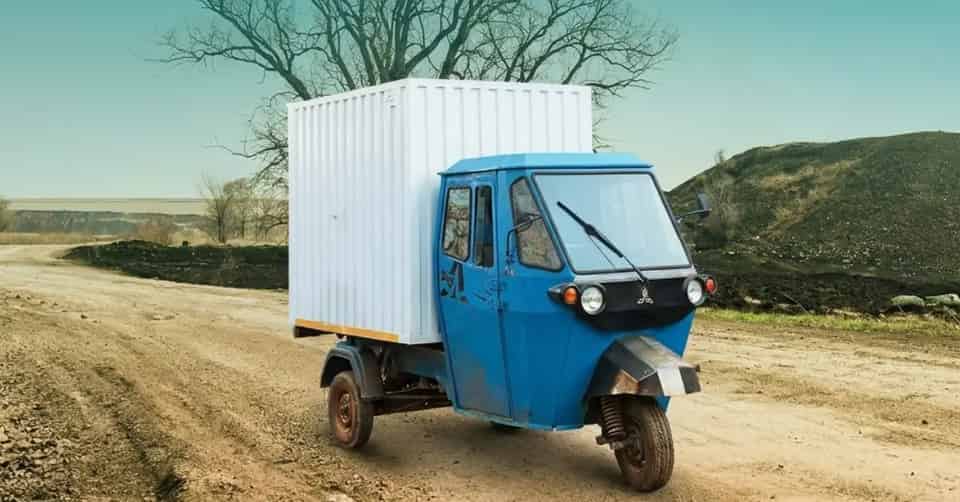


A 4-speed manual gearbox on an electric vehicle is unusual. Almost everything in the electric three-wheeler cargo segment uses a single-speed drivetrain or at most a 2-speed automatic. Astro Motors, a Pune-based EV manufacturer, went a different route with the Navya.
Whether that decision helps or hurts the business case is what this piece is here to examine.
Astro Navya Price and Variants
Price starts at Rs 4.20 lakh ex-showroom. On-road cost will vary by state based on RTO charges and insurance. Several states offer EV subsidies that can reduce the effective purchase price further.
Three body variants are available. The Closed Bed keeps goods protected from rain and dust, making it the natural pick for FMCG and parcel deliveries. The Flat Bed handles oversized or irregular loads that do not fit standard boxes. The Open Bed makes loading and unloading fast, which matters on routes with many stops throughout the day.
All three share the same chassis, powertrain, and specifications. The choice of variant depends entirely on what you carry, not on any performance difference.
The 4-Speed Manual Gearbox
This is the feature that separates the Navya from most of its competition, and it deserves a clear explanation.
Electric motors produce peak torque from a standstill. That is one of the key advantages of an EV drivetrain. On a single-speed setup, the motor manages all conditions with that single gear ratio. The Navya's 4-speed manual gives the driver control over how that torque is delivered across different terrain and load conditions.
In practical terms: first and second gear for heavy loads on inclines, third and fourth for flat city roads at speed. The 12 percent gradeability spec, combined with gear selection, means the driver can extract better climb performance when the load is full without straining the motor or battery on flat stretches. Hill hold assist is also built in as a standard feature, which matters when you are stopping and starting on inclined lanes.
The tradeoff is driver skill. Unlike an automatic or single-speed EV, the Navya demands gear changes. Drivers switching from a manual diesel tempo will find this familiar. Drivers coming from other electric three-wheelers may need an adjustment period.
Astro Navya Payload, GVW and Battery Specifications
Payload is 747 kg on a 1,650 kg GVW. That puts the Navya among the more capable electric cargo three-wheelers in its category. For context, a standard electric cargo auto in India typically offers 400 to 550 kg of payload. Getting 747 kg at this price point is worth noting.
Power comes from a 12 kW motor. The battery is a 10.24 kWh pack. Claimed range is 130 km on a full charge. Charging takes 4 hours from empty.
One spec that stands out is the 315 mm ground clearance. Most electric cargo three-wheelers sit between 165 and 185 mm off the ground. At 315 mm, the Navya handles rough roads, potholed lanes, and water-logged stretches during monsoon in a way that lower-slung competitors cannot. For operators in smaller towns or on roads that have not kept pace with the vehicles using them, this is a real advantage.
Astro Navya Dimensions and Turning Radius
Body length is 3,350 mm. Width is 1,410 mm. Wheelbase sits at 2,145 mm. Turning radius is 2,950 mm.
That turning radius is tight for a vehicle carrying 747 kg. Most narrow city lanes, market gullies, and residential back roads will not be a problem. The handlebar steering setup, which is standard on the Navya rather than a wheel, is the right choice for a vehicle this size given how easily operators can manoeuvre through dense urban environments.
Top speed is 50 km/h. That is the legal ceiling for L5 category vehicles in India and is sufficient for any urban or semi-urban delivery route.
Telematics and Fleet Management Features on the Navya
Advanced telematics come standard. Geo-fencing, GPS tracking, real-time location monitoring, and battery immobilisation are all included.
For a single owner-operator, geo-fencing may not feel immediately relevant. For a fleet of five or more vehicles, these tools change how the business runs. Geo-fencing lets fleet managers define operational zones and get alerts when vehicles leave them. Battery immobilisation allows remote shutdown if a vehicle is stolen or unaccountably off-route. Real-time tracking removes the need for constant driver check-in calls.
At Rs 4.20 lakh, having these features standard rather than as a paid add-on is a genuine differentiator against similarly priced competitors that offer basic tracking or nothing at all.
Astro Navya Running Costs vs Diesel Cargo Three-Wheelers
A diesel cargo three-wheeler in the same payload class costs between Rs 25 and Rs 35 per kilometre to run depending on diesel prices and maintenance frequency. The Navya's electricity cost per kilometre in most cities falls between Rs 1.50 and Rs 2.50 depending on the local tariff.
On 100 km per day, five days a week, the monthly fuel saving alone ranges from Rs 9,000 to Rs 15,000. Over a 3-year loan tenure, that is Rs 3.24 lakh to Rs 5.40 lakh in fuel savings, which partially or fully offsets the purchase cost depending on your specific numbers.
The 4-hour charging window is the operational constraint to plan around. If your route runs longer than 130 km daily, you need a mid-day charge, which requires access to a charging point on or near your route. Map this before you buy.
Who Should Buy the Astro Navya and Who Should Not
The Navya suits FMCG distributors, e-commerce last-mile delivery operators, dairy route drivers, and anyone moving goods between a small warehouse and nearby retail outlets. The 747 kg payload with 130 km range fits most urban distribution cycles comfortably.
It also suits fleet operators specifically. The telematics suite makes multi-vehicle management practical. The closed bed variant protects goods without the cost of a separate vehicle cover. And the electric drivetrain keeps per-kilometre costs down across a fleet where savings compound quickly.
It is less suited to operators running loads above 750 kg regularly, or those with daily routes exceeding 130 km without access to a mid-day charging point. For heavy-haul short-distance work, the payload ceiling holds. For long-distance runs, the range ceiling holds. Know your numbers before you commit.