News Details
JSW Motors and Tata Elxsi Launch JNEXT Tech Center in Pune
Summary
JSW Motors Pins Its Software Future to a Pune Address
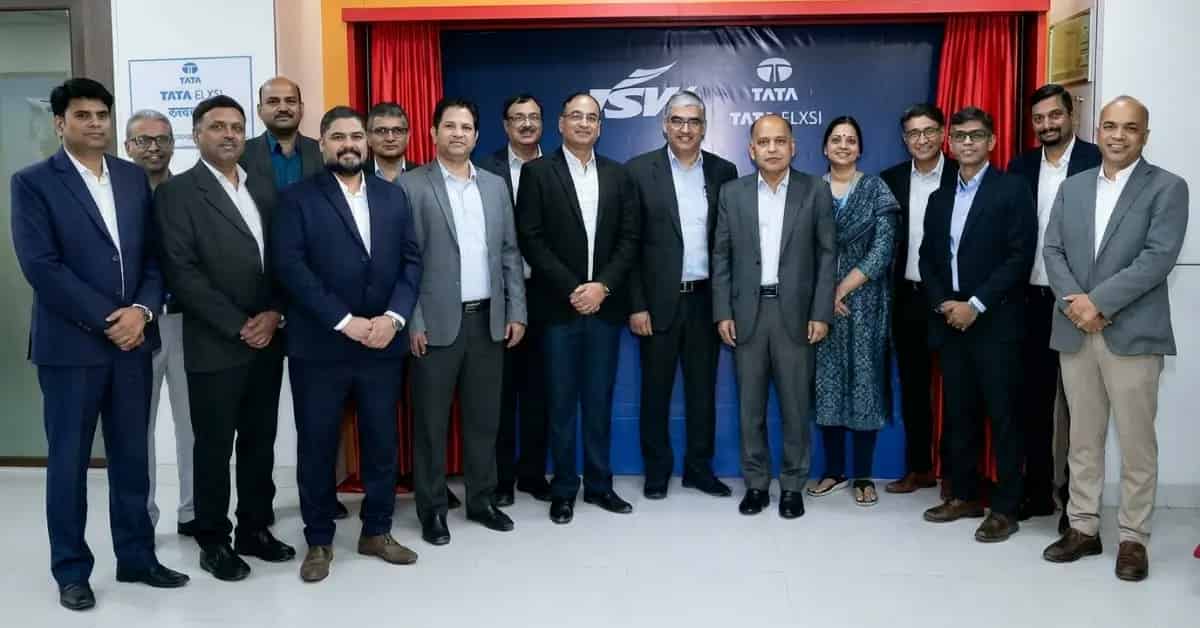


India's automotive ambitions have a new address. JSW Motors and Tata Elxsi signed a Memorandum of Understanding on April 24, 2026, to jointly set up the JNEXT (JSW NextGen Technology Center) in Pune. The facility is designed to be the engineering core for JSW Motors' connected and software-defined vehicle lineup.
This is not a corporate handshake announcement that fades in a week. JSW Motors is building a greenfield manufacturing campus at Bidkin in Maharashtra and has committed close to Rs 26,000 crore to bring electric, hybrid, and plug-in hybrid vehicles to Indian roads. The JNEXT center is where the software brains of those vehicles will be built.
What the JNEXT Center Will Actually Do
The center will operate as a live engineering base, working directly alongside JSW Motors' research, manufacturing, and leadership teams. The scope covers the full software stack for new-energy vehicles from in-vehicle intelligence to cloud-connected services.
Tata Elxsi takes the technical lead on two deliverables: a connected vehicle platform and a unified customer experience app for JSW Motors' upcoming models. Both are foundational to a vehicle that needs to do more than drive. It needs to update over the air, respond to driver behaviour, and stay connected to fleet and service backends across its entire life.
The JNEXT scope also extends to ADAS development, predictive diagnostics, performance optimisation, and alignment with global cybersecurity standards. These are not checkbox items. For an OEM entering a market where Tata Motors and Mahindra already have mature digital platforms, they are table stakes.
Why This Pairing Makes Sense
Tata Elxsi is not a general IT services firm that wandered into automotive. It has built dedicated SDV infrastructure. Including its AVENIR cloud-agnostic development and deployment framework and has live partnerships with Suzuki, Mercedes-Benz R&D India, and BMW Group clients.
Ranjan Nayak, CEO of JSW Motors, framed the partnership around building a technology-led mobility ecosystem that is rooted in India but competes on global standards. He specifically pointed to Tata Elxsi's strengths in software-defined vehicles, electrification, and ADAS as critical accelerators.
Manoj Raghavan, MD and CEO of Tata Elxsi, called the JNEXT Center a direct response to the automotive industry's shift toward software-led, connected ecosystems. His language is exact the old model of hardware-first, software-later is gone. Modern vehicles are essentially software platforms on wheels, and building that software in India, for Indian road and usage conditions, is the strategic bet both companies are making.
The Bigger Picture Behind a Tech Center Announcement
JSW Motors is assembling a full technology stack through Indian partners. KPIT Technologies is working on powertrain software. Tata Elxsi now handles connected vehicle platforms. Tata Indian Institute of Skills is building the manufacturing workforce at Bidkin. The company has also spoken about working with Jio on digital ecosystem capabilities.
The choice to partner domestically rather than license software from its Chinese JV partners, SAIC Motor, the parent of MG Motor India signals something deliberate. JSW Motors is not trying to be an assembly operation for imported technology. The goal is to own the software layer.
That matters for long-term margins. In modern automotive, software content is where profits accumulate. An OEM that controls its own connected platform, diagnostics, and customer experience app retains revenue streams that would otherwise flow to a technology licensor.
What It Means for India's SDV Ecosystem
Pune is already home to KPIT, Tata Elxsi, Mercedes-Benz R&D India, and several Tier-1 automotive engineering firms. The JNEXT center adds another node to what is shaping up as India's most concentrated cluster of automotive software engineering talent.
For the broader passenger and commercial vehicle industry, this kind of OEM-plus-engineering-firm partnership model is becoming the default. Tata Elxsi ran the same playbook with Suzuki in November 2024. The difference with JSW Motors is that this is an Indian OEM building from scratch with no legacy ICE software architecture to work around.
That is actually an advantage. JSW Motors can design its digital platforms natively for electric and hybrid powertrains, without carrying forward years of CAN bus-era code debt.
The first JSW Motors vehicles are expected on Indian roads by 2026. The JNEXT center's first outputs, the connected vehicle platform and the customer experience app will define how those vehicles feel to own, not just how they drive.